JBC CSV-1EN Desoldering Station Suction
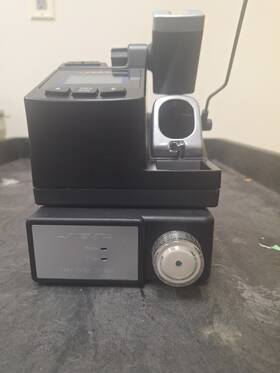
( Brand: Jbc ), ( Manufacturer Part Number: CSV-1EN ), ( Model: JBC CSV-1EN ), ( Part Type: Desoldering Station Suction )
Review JBC Desoldering Station Suction
The **JBC CSV-1EN Desoldering Station Suction** is a precision-engineered, high-performance tool designed specifically for electronics repair professionals, hobbyists, and manufacturers who demand reliability, efficiency, and versatility in their soldering and desoldering tasks. This advanced desoldering station combines cutting-edge suction technology with a robust, ergonomic design to deliver unmatched control and consistency when removing solder from delicate PCBs, components, or intricate circuits. At its core, the CSV-1EN features a powerful, adjustable vacuum pump that generates a strong yet precise suction force, allowing users to effortlessly extract molten solder from tight spaces, fine-pitched components, or heat-sensitive parts without causing damage. The integrated digital display provides real-time feedback on suction pressure, temperature, and power levels, ensuring optimal performance and preventing overheating or excessive suction that could compromise components. The station s compact yet sturdy construction incorporates a durable aluminum housing, which not only enhances its longevity but also dissipates heat efficiently, maintaining a stable operating temperature even during prolonged use. The ergonomic, handheld suction nozzle is crafted from high-quality materials, offering a comfortable grip and a smooth, non-slip surface to reduce operator fatigue during extended sessions. Additionally, the nozzle s adjustable angle and modular attachments such as fine tips, wide suction cups, and specialized desoldering wicks allow for adaptability across a wide range of applications, from desoldering tiny surface-mount devices (SMDs) to larger through-hole components. The CSV-1EN also integrates a built-in temperature control system with precise calibration, enabling users to set and maintain the ideal soldering iron tip temperature (ranging from ambient to high-heat settings) for different materials, such as lead-free solder, tin-lead alloys, or specialized fluxes. This dual functionality combining desoldering suction with soldering precision makes the station a comprehensive solution for both removing and reapplying solder with minimal thermal stress to the PCB or components. Safety and ease of use are prioritized in its design, with features like automatic shutoff, overheat protection, and a user-friendly interface that simplifies operation. Whether used in a professional workshop, a DIY electronics lab, or a manufacturing setting, the JBC CSV-1EN desoldering station stands out as a versatile, high-quality tool that elevates the efficiency and accuracy of soldering and desoldering processes, ultimately saving time and reducing the risk of errors in critical repairs or assemblies.
### **Pros and Cons of buying a JBC CSV-1EN Desoldering Station (Suction-Based)**
#### **Pros:**1. **Precision and Control** The suction-based design allows for accurate removal of small or delicate components without damaging the PCB or surrounding solder joints. This is particularly useful for high-density boards where heat-sensitive components (like capacitors or ICs) are present.
2. **Versatility** Suction desoldering is effective for a wide range of components, including resistors, capacitors, transistors, connectors, and even some integrated circuits (ICs). It works well for both through-hole and surface-mount components, depending on the tool s attachment.
3. **Minimal Heat Damage** Unlike traditional soldering irons or hot air guns, suction desoldering reduces the risk of overheating sensitive components, which can degrade performance or shorten lifespan. This is ideal for working with temperature-sensitive parts like LEDs, transistors, or memory chips.
4. **Cleaner Process** Suction removes solder directly from the joint, leaving less residue compared to wicking methods (like braid). This can reduce the need for post-cleaning with solvents, though some residue may still require cleanup.
5. **Ease of Use for Beginners** The CSV-1EN is designed with a user-friendly interface, including adjustable suction power and temperature control (if applicable). The suction nozzle is often easier to maneuver than a soldering iron for precise work.
6. **Time Efficiency** Once mastered, suction desoldering can be faster than traditional methods for removing multiple components, especially in repetitive tasks like rework or repair.
7. **Compatibility with SMD and THT** The tool can handle both surface-mount devices (SMD) and through-hole components, making it a versatile choice for general electronics repair.
8. **Durability and Build Quality** JBC is a reputable brand known for producing reliable electronic tools. The CSV-1EN is built to last, with sturdy construction and replaceable parts (like nozzles and filters).
9. **Adjustable Settings** The station often includes variable suction power and temperature control (if it has a heating element), allowing users to tailor the tool to different solder types (lead-free, tin-lead, etc.).
10. **Portability** While not as compact as some handheld tools, the CSV-1EN is designed for bench use and can be moved between workstations if needed.
---
#### **Cons:**1. **Limited to Suction-Based Removal** Suction desoldering is not suitable for all components, especially those with very fine or irregular pads (e.g., some BGA chips or extremely small SMDs). For these, hot air or solder wicking may be necessary.
2. **Learning Curve** Mastering suction desoldering requires practice. Improper technique can lead to incomplete solder removal, PCB damage, or component lifting. Beginners may struggle with consistent results.
3. **Component Size Limitations** Very large components (e.g., heavy connectors or heat sinks) may be difficult to remove with suction alone, as the suction force may not be sufficient. Additional tools (like pliers or hot air) may be needed.
4. **Solder Residue** While suction reduces residue, some solder may still remain in the joint or on the component. Post-cleaning with a soldering iron tip or braid is often required for a clean finish.
5. **Cost** The JBC CSV-1EN is more expensive than basic soldering irons or hot air guns. While it s a mid-range tool, it may not be justified for casual hobbyists who only occasionally perform desoldering.
6. **Maintenance Requirements** The suction nozzle and filter need regular cleaning to maintain efficiency. Clogged filters or dirty nozzles can reduce performance and require periodic replacement.
7. **Not Ideal for Large-Scale Production** For mass rework or manufacturing, automated desoldering machines or hot air stations may be more efficient and cost-effective.
8. **Power Dependency** The tool requires a power source (usually 110V or 220V), which limits its use in field repairs or locations without access to electricity.
9. **Noise and Vibration** Some suction-based tools can be noisy and vibrate during operation, which may be annoying in a quiet workspace.
10. **Limited Heating Functionality** The CSV-1EN is primarily a suction tool, and if it includes a heating element (for preheating PCBs), it may not be as powerful as dedicated hot air guns for stubborn solder.
---
### **Ending Conclusion:**The **JBC CSV-1EN desoldering station** is a highly capable tool for electronics repair, particularly for hobbyists, technicians, and small-scale professionals who frequently work with SMD and THT components. Its suction-based design offers precision, reduces heat damage, and is versatile for a wide range of components. However, it is not a one-size-fits-all solution it requires practice to master, has limitations with very large or delicate components, and may not replace the need for other tools like hot air guns or solder wicks in certain scenarios.
For users who prioritize **clean, heat-sensitive desoldering** and are willing to invest in a reliable, mid-range tool, the CSV-1EN is an excellent choice. However, those on a tight budget or working with very large-scale repairs might find it overkill and opt for simpler alternatives instead.
---
### **Recommendation:** - **Buy the JBC CSV-1EN if:**- You frequently repair electronics with SMD or THT components.
- You want to minimize heat damage to sensitive parts (e.g., capacitors, transistors, ICs).
- You prefer a precise, suction-based method over traditional soldering iron or hot air tools.
- You value durability and brand reliability (JBC is well-regarded in the electronics repair community).
- You re willing to invest in a tool that will serve you well for years with proper maintenance.
- **Avoid the JBC CSV-1EN if:**- You only occasionally perform desoldering and don t want to spend extra on a specialized tool.
- You primarily work with very large components (e.g., connectors, heavy heat sinks) that require more forceful removal.
- You lack patience for learning a new technique, as improper use can damage PCBs or components.
- You re working in a production environment where speed and automation are critical.
- You prefer a more compact or portable tool (though the CSV-1EN is still reasonably portable for a bench station).
**Alternative Considerations:**- For **budget-friendly options**, consider a **basic soldering iron with a solder wick** or a **cheaper suction desoldering tool** (e.g., some no-name brands).
- For **hot air desoldering**, a **Kess VDH-1000 or Hakko FX-888D** might be better suited for large components or BGA chips.
- If you need **both suction and hot air**, some combined tools (like the **Ersa SMD 200**) may be worth exploring.
Ultimately, the CSV-1EN is a **strong, well-built choice** for those who need a reliable suction desoldering station, but its value depends on your specific use case.
Details:
Just no soldering handle units works great The JBC CSV-1EN Desoldering Station with Suction is a high-quality tool designed for efficient desoldering tasks. This product is a valuable addition to any toolkit, offering reliability and precision for soldering desoldering applications. Its suction feature helps to effectively remove molten solder from the work surface, making it easier and safer for users handle.
part #: csv1en price
- $400.00
specifications solderingironzo:
- brand: Jbc
- mpn: Csv-1en
- model: Jbc Csv-1en
- part type: Desoldering Station Suction
seller solderingironzo:
- city: Tulsa, Oklahoma
- # reviews: 42
- rating: 100.0%
offer solderingironzo:
- sold: 0
- availability: In Stock
- options: Ship-to-home
- best offers: True
- started: March 19, 2026
- quantity: 1
general solderingironzo:
- Welding Soldering Equipment > Soldering/Desoldering Equipment Accessories > Soldering Guns Irons
- condition: Used
payments solderingironzo:
- wallet: Google-pay
- other
- credit card: Diners-club
returns solderingironzo:
- policy: No Returns
shipping solderingironzo:
- class: Standard
- type: Calculated
- service: USPS Ground Advantage
- carrier: USPS
- transit: 5-11 Days
- cost: $10.21
Jbc CSV-1EN Is Similar To:
- 5600010 Jbc Advanced Desoldering Iron (51.9% similar) This is a new Jbc advanced desoldering iron heating element cartridge series 86975...(August 23rd, 2017)
- Ad2200 Jbc Solder Control Unit With Hand Tool Soldering (28.3% similar) Jbc tools makes great soldering gear, albeit its more aligned with production needs than engineering, service or repair...(March 7th, 2018)
- C245-033 Cartridge Station Jbc Ad2700 Soldering (39.6% similar) However, this offer does not include the hand piece. This is a working Jbc soldering station AD2700 with cartridge C245 033 conical tip. The cartridge and soldering station have been tested and performed well with a 245 hand piece...(January 29th, 2015)
- Station Jbc Cd-1bb Soldering Digital (50% similar) Jbc CD 1BB digital soldering STATION120V 60HZ 75 win good conditionals includes 7 brand new unused soldering tips 1 C245 C245 C245 C245 C245 966...(March 5th, 2015)
- Cp-1b Jbc Micro Tweezer Station (40% similar) For next day air or faster shipping please. Standard shipping is USPS priority mail or ups ground. Call for better pricing...(June 22nd, 2017)
- Cp-1e Jbc Tools Micro Tweezer Station (39.5% similar) Any changes to the original settings can be easily made via menu on display. The Jbc tools CP-1E micro tweezers is a soldering and desoldering station for small medium AMD components. The Jbc tools CP-1E features a USB connector to update software, create graphs and manage parameters from PC. This ...(January 9th, 2017)
- Jbc Cs-1c Pump Brand Electric Station Desoldering (47.3% similar) Up for sale is a brand new factory sealed Jbc micro desoldering station with an electric suction system desoldering iron and C360 004 tip msrp 1390...(January 22nd, 2015)
- Csv-1e Jbc New 110v Compact (33.8% similar) Input fuse: 2A. Output: 23,5V. Jbc CSV-1E 110V compact desoldering station w pneumatic pump cs V-1E CV-1E 120V 50 60HZ...(February 12th, 2018)
- Dd-1b Jbc Control Unit With And Tweeser Tips (31.8% similar) And Canada buyers only. Eligible buyers us. Jbc DD-1B control unit for two tools tested, working. All goods are fob our dock in Livermore...(September 14th, 2018)
- Ddse-1b Jbc Tools Soldering And Desoldering (43.7% similar) Jbc tools DDSE-1B soldering desoldering station with electric pump uses a control unit DDE-1B, allows you to connect 2 and work simultaneously all. Apart from the standard configuration, solders and desolates, this station allows connection of any Jbc tools series tool in both outputs, but only ...(January 9th, 2017)
- Dis-1d Jbc Desoldering Station With (70.9% similar) Net equipment. The DIS-1D works with Jbc exclusive heating system, and features an automatic sleep hibernation mode to extend tip life save power. T245-A C245 T470-A DNA-SE T210-NA T245-NA T470-NA AP-SD C250 pa-SD C120 ht-SD C420 D's-SD C360 Dr-SD DR560-A C560 nitrogen flow regulator required. The ...(July 22nd, 2017)