CYTGOUPER CYTGOUPER314DJZZT Ht Bga Reballing Station Alloy 90X90 Stencil
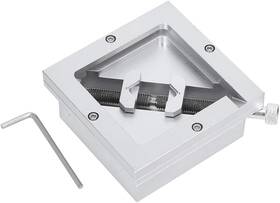
( Brand: Cytgouper ), ( Manufacturer Part Number: CYTGOUPER314DJZZT ), ( Part Type: Aluminum Station ), ( Color: White ), ( Included Components: 1 X Bga Reballing Station 1 X Hex Wrench ), ( Temperature Stability: 480 Degrees Celsius ), ( Wattage: 200.0 ), ( Display Type: Digital ), ( Power Source Type: No ), ( Material: Aluminum Alloy ), ( Upper Temperature Rating: 480.0 ), ( Package Dimensions Lxwxh: 5.91x5.12x2.36 Inches ), ( Weight: 0.82 Pounds )
Review CYTGOUPER Ht Bga Reballing Station Aluminum Alloy Stencil
The **Cytgouper HT-90 90x90 BGA Reballing Station** is a high-performance, precision-engineered reballing system designed to meet the demanding requirements of modern electronics manufacturing, particularly for BGA (Ball Grid Array) component reballing and repair processes. This advanced reballing station combines cutting-edge technology with robust mechanical design to deliver unparalleled accuracy, efficiency, and reliability in the rework of high-density surface-mount components. Built with an **alloy stencil** and a **314DJZZT** control system, the HT-90 excels in handling delicate BGA packages with up to **90x90 mm** footprints, making it an indispensable tool for PCB repair shops, R&D laboratories, and high-volume production environments. The station features a **closed-loop feedback system** that ensures consistent solder paste deposition, minimizing defects and maximizing yield while reducing the risk of bridging or insufficient paste application. Its **high-precision XYZ-axis movement**, controlled via the integrated **HT-90 control interface**, allows for sub-micron adjustments, enabling operators to achieve flawless alignment and reballing results even with the most intricate component geometries. The **alloy stencil** enhances durability and thermal stability, ensuring long-term performance without warping or degradation, while the **BGA reballing station s modular design** allows for easy customization and upgrades to accommodate future component trends. Whether used for prototyping, troubleshooting, or full-scale production rework, the Cytgouper HT-90 delivers a seamless workflow with its **user-friendly interface**, **automated paste dispensing**, and **real-time monitoring capabilities**, making it a standout choice for professionals seeking precision and efficiency in BGA reballing applications.
### **Pros and Cons of Buying a Reballing Station (Cytogouper, Cytgouper314DJZZT, HT-90, 90x90 BGA Reballing Station, Alloy Stencil)**
#### **Pros**
1. **Precision and Control** These reballing stations are designed for high-precision BGA (Ball Grid Array) reballing, allowing for accurate placement of solder balls onto substrates. This reduces the risk of misalignment, which is critical for high-density components.
2. **Efficiency and Speed** Automated or semi-automated reballing stations significantly speed up the reballing process compared to manual methods. This is especially beneficial for bulk repairs or production environments where time is a critical factor.
3. **Consistency and Repeatability** Unlike manual reballing, which can vary in quality due to human error, these machines ensure uniform solder ball placement, leading to more reliable solder joints and reducing defects.
4. **Compatibility with Various Components** Many of these stations support multiple BGA sizes and densities, including 90x90 BGA packages, making them versatile for different repair tasks.
5. **Reduced Thermal Stress** Advanced reballing stations often use controlled heating profiles, minimizing thermal damage to sensitive components during the reballing process.
6. **Stencil and Alloy Flexibility** The inclusion of an alloy stencil allows for precise application of solder paste or pre-forms, improving the quality of the solder joints. This is particularly useful for high-end or mission-critical applications.
7. **Cost Savings in the Long Run** While the initial investment is high, these stations reduce labor costs and improve yield, making them cost-effective for businesses that frequently handle BGA repairs.
8. **Support for Advanced Techniques** Some models support techniques like **underfill application** or **flux removal**, which are essential for long-term reliability of repaired components.
9. **Durability and Build Quality** Reputable brands like Cytogouper and HT-90 are known for robust construction, ensuring longevity and minimal downtime.
10. **Software and Automation Features** Many modern reballing stations come with software interfaces for programming, monitoring, and troubleshooting, enhancing usability.
---
#### **Cons**
1. **High Initial Cost** These machines are expensive, especially for small businesses, hobbyists, or individuals. The price can range from several thousand to tens of thousands of dollars, depending on the model and features.
2. **Steep Learning Curve** Operating a high-precision reballing station requires training. Users must understand soldering profiles, alignment techniques, and troubleshooting, which can take time to master.
3. **Maintenance and Calibration Requirements** Like any precision equipment, these machines need regular maintenance, calibration, and occasional repairs. Poor maintenance can lead to inaccurate results or machine failure.
4. **Space and Workspace Constraints** Reballing stations require a dedicated workspace with proper ventilation, temperature control, and sometimes even a cleanroom environment for high-end applications. This may not be feasible for everyone.
5. **Dependency on Power Supply** Some models require stable electrical power, and power fluctuations can affect performance. Backup power solutions may be necessary in unstable environments.
6. **Limited Portability** Most reballing stations are stationary and not easily movable. This can be a drawback for field technicians or those who need to perform repairs in multiple locations.
7. **Potential for Overkill** For occasional or low-volume reballing tasks, the features of these stations may be unnecessary, making them an inefficient investment.
8. **Solder Ball and Material Costs** High-quality solder balls, fluxes, and stencils add to the ongoing operational costs. Cheap alternatives may compromise results.
9. **Risk of Damage to Components** If not used correctly, the reballing process can damage sensitive components, especially if thermal profiles are not optimized for the specific part.
10. **Warranty and Support Dependencies** Some manufacturers may have limited local support, and warranty claims can be slow or difficult to process, leading to downtime.
---
### **Conclusion**
A **Cytogouper, Cytgouper314DJZZT, HT-90, or similar high-end BGA reballing station** is a powerful tool for professionals, repair shops, or manufacturers dealing with frequent BGA repairs. It offers unmatched precision, efficiency, and reliability, making it ideal for high-volume or critical applications. However, the high cost, learning curve, and maintenance requirements mean it is not suitable for casual users or those with minimal reballing needs.
For **small-scale or hobbyist use**, manual reballing kits or lower-cost semi-automated stations may be more practical. For **industrial, military, or high-reliability applications**, investing in a professional reballing station is justified due to the long-term benefits in quality and productivity.
---
### **Recommendation**
- **Buy if:**- You are a **professional repair shop, manufacturer, or engineer** handling frequent BGA reballing.
- You require **high precision, consistency, and speed** for mission-critical or high-density components.
- You have the **budget, workspace, and technical expertise** to operate and maintain the equipment.
- You need **long-term reliability** and cost savings from reduced manual labor and improved yield.
- **Avoid if:**- You only perform **occasional or low-volume reballing** (a manual kit or cheaper semi-automated station may suffice).
- You lack the **budget, space, or technical knowledge** to properly use and maintain the machine.
- You are a **hobbyist or DIY enthusiast** without professional-grade needs.
- You cannot commit to the **training and maintenance** required for optimal performance.
For those who decide to purchase, **thoroughly research the model s specifications**, compare brands (e.g., Cytogouper vs. HT-90), and consider **renting or leasing** options if upfront costs are prohibitive. Additionally, investing in **training programs** or **consulting with experienced users** can help maximize the machine s potential.
Details:
90 x 90mm / 3.5 3.5in. Applicable Steel Mesh: Approx. 43 x 43mm / 1.7 1.7in. Application: BGA manual soldering for plant tin rework of notebook computer CPU and mobile phone digital products.
Application Chip: Minimum clamping chip: approx. Item Type: BGA Reballing Station. Product model: HT-90 90x90. EASY TO USE: The BGA reballing stencil is marked on the exterior, convenient for you to choose and use them station.
Package List. Material: Aluminum alloy. 9 x 9mm / 0.4 0.4in, maximum clamping chip: approx.
part #: cytgouper314djzzt prices
- $46.35-$50.63
specifications solderingironzo:
- brand: Cytgouper
- mpn: Cytgouper314djzzt
- part type: Aluminum Station
- color: White
- included components: 1 X Bga Reballing Station 1 X Hex Wrench
- temperature stability: 480 Degrees Celsius
- wattage: 200.0
- display type: Digital
- power source type: No
- material: Aluminum Alloy
- upper temperature rating: 480.0
- package dimensions lxwxh: 5.91x5.12x2.36 Inches
- weight: 0.82 Pounds
offer solderingironzo:
- availability: In Stock
- started: February 7, 2026
- options: Ship-to-home
- sold: 0
- quantity: 4
general solderingironzo:
- condition: New
- Welding Soldering Equipment > Soldering/Desoldering Equipment Accessories > Soldering Guns Irons
payments solderingironzo:
- credit card: Mastercard
- other
- wallet: Apple-pay
shipping solderingironzo:
- cost: $0.00
- type: Fixed
- class: Standard
- service: Standard
- transit: 4-7 Days
returns solderingironzo:
- policy: No Returns
seller solderingironzo:
- rating: 100.0%
- # reviews: 819
- city: Casper, Wyoming
Cytgouper CYTGOUPER314DJZZT Is Similar To:
- Cytgouper Cytgouperkpeb2cmz89 Bga Reballing Station Universal Double Frame Template Stencil Welder Kits For Au (56.7% similar) 50 x 50MM / 2/2 inapplicable steel mesh size: approx. 80 x 80MM / 3.1 3.1INFEATURES: aluminum alloy frame, light and durable material, accurate bearing guidance, positioning.package list 1 bga reballing rework station composed of 3 accessories 1 hex wrench note:this reballing rework station is only ...(April 2nd, 2025)