MOXWEYENI DD-MOXWEYENI-598 Tin Rosin Core Solder Wire 60-40 Electrical Soldering
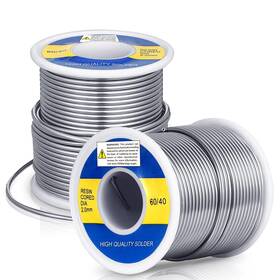
( Brand: Moxweyeni ), ( Manufacturer Part Number: DD-MOXWEYENI-598 ), ( Part Type: Wire Soldering )
Review MOXWEYENI Packs 60-40 Tin Rosin Core Solder Wire Electrical Soldering Home Diy
The **Moxweyeni DD-Moxweyeni-598 60-40 Tin-Rosin Core Solder Wire** is a high-performance, professional-grade soldering solution meticulously engineered for precision, reliability, and versatility in electrical and electronic assembly. This premium solder wire is formulated with a **60% tin and 40% lead alloy**, a classic composition renowned for its exceptional wetting properties, strong mechanical bonds, and excellent resistance to corrosion, making it ideal for a wide range of soldering applications, from delicate PCB repairs to robust automotive and industrial connections. The **rosin flux core** ensures a clean, oxidation-free joint by removing surface contaminants and promoting smooth, bubble-free solder flow, which is critical for achieving consistent, high-quality results. The fine, uniform diameter of the wire allows for precise control during soldering, reducing the risk of overheating or bridging, while its malleable nature facilitates easy manipulation around tight spaces, intricate components, or irregular surfaces. Whether used in prototyping, manufacturing, or maintenance work, this solder wire delivers superior conductivity and durability, ensuring long-lasting electrical connections that meet stringent industry standards. Its consistent performance and ease of use make it a trusted choice for both hobbyists and seasoned professionals seeking a dependable soldering solution for their most demanding projects.
**Pros and Cons of Buying Moxweyeni DD-Moxweyeni-598 (60-40 Tin-Rosin Core Solder Wire) for Electrical Soldering**
### **Pros**
1. **Standard Composition (60-40 Alloy)** The 60% tin and 40% lead composition is widely used in electronics and electrical work due to its reliable wetting properties, good mechanical strength, and ease of use. It is ideal for general soldering tasks, including PCBs, wire connections, and repairs.
2. **Rosin Flux Core** The rosin flux inside the wire helps clean metal surfaces, prevents oxidation, and promotes strong bonds between the solder and components. This reduces the need for additional flux applications, saving time and effort.
3. **Versatility** Suitable for a wide range of soldering applications, including:- PCB assembly and repair
- Wire soldering (e.g., automotive, audio, and general wiring)
- Electronics prototyping and hobbyist projects
- Light-duty electrical connections
4. **Affordability** Compared to lead-free solder, 60-40 tin-lead solder is often cheaper, making it a cost-effective choice for budget-conscious buyers, especially in bulk purchases.
5. **Widely Available** This type of solder is commonly stocked by hardware stores, electronics suppliers, and online retailers, ensuring easy availability.
6. **Good Flow and Wetting** The alloy provides smooth soldering with minimal bridging or uneven joints, which is crucial for maintaining electrical continuity and mechanical integrity.
7. **Compatibility with Most Soldering Irons** Works well with both iron and soldering stations, including those with temperature control, making it adaptable to different soldering setups.
---
### **Cons**
1. **Contains Lead** The presence of lead raises health and environmental concerns. Prolonged exposure to lead fumes or dust can be harmful, particularly for those with respiratory issues or pregnant individuals. Proper ventilation and safety measures (e.g., fume extractors, gloves) are necessary when using leaded solder.
2. **Regulatory Restrictions** In some regions (e.g., the European Union under RoHS compliance), leaded solder is banned or restricted for certain applications, particularly in consumer electronics. Buyers must ensure compliance with local regulations if using this solder in commercial or regulated environments.
3. **Environmental Impact** Lead is a toxic heavy metal that can contaminate soil and water if not disposed of properly. Improper disposal of used solder or flux residues can pose ecological risks.
4. **Potential for Corrosion Over Time** While 60-40 solder is durable, leaded solder can sometimes corrode more quickly in humid or corrosive environments compared to lead-free alternatives, potentially affecting long-term reliability.
5. **Higher Melting Point Than Lead-Free Options** The melting point of 60-40 solder ( 183 C/361 F) is slightly higher than some lead-free solders (e.g., SAC305, which melts around 217 C/423 F). This may require slightly more heat input, which could be a minor inconvenience for delicate components.
6. **Limited Use in High-Temperature Applications** While adequate for most electrical work, 60-40 solder may not perform as well as high-temperature solders (e.g., silver-based or indium-containing alloys) in extreme heat conditions.
---
### **Conclusion**
Moxweyeni DD-Moxweyeni-598 (60-40 tin-lead solder) is a reliable and cost-effective choice for general electrical and electronics soldering, particularly for hobbyists, DIY enthusiasts, and small-scale repairs. Its proven performance, ease of use, and widespread availability make it a practical option for many applications. However, the presence of lead introduces health and environmental risks that must be managed carefully. Buyers should prioritize safety by using proper ventilation, protective gear, and disposal methods.
For projects where lead exposure is a concern or where regulatory compliance is required (e.g., commercial electronics), lead-free solder alternatives should be considered. If you are working in a controlled environment with adequate safety measures and the project does not fall under strict lead restrictions, this solder remains a solid and practical choice.
### **Recommendation**
- **Use this solder if:**- You are a hobbyist or technician working on non-regulated projects.
- You have access to proper ventilation (e.g., fume extractor) and safety equipment.
- Cost is a primary consideration, and you prioritize ease of use and reliability for general soldering tasks.
- Your local regulations allow the use of leaded solder in your specific application.
- **Consider alternatives if:**- You are working in a regulated industry (e.g., consumer electronics manufacturing) where lead-free solder is mandatory.
- You are concerned about long-term health risks from lead exposure.
- You are soldering in environments with high humidity or corrosive conditions where leaded solder may degrade faster.
- You prefer lead-free options for environmental sustainability.
For most home-based or small-scale electrical soldering, this solder wire is a dependable and widely recommended choice when used responsibly. Always follow safety guidelines to minimize exposure to lead fumes.
Details:
Brand: Moxweyeni. Finish Type: Polished. Item Shape: Cylindrical. Easy to Use: this solder wire has good soldering ability, easy be soldered, flows smoothly and bonds well, fast strong melting point, it can dissolved relatively cleanly less residue.
Model Number: DD-Moxweyeni-598. Remind to wash your hands after using it. Brand Name: Moxweyeni. 2 Packs 60-40 Tin Rosin Core Solder Wire for Electrical Soldering, Home DIY,mm, 500 g: Material: Copper.
Manufacturer: Moxweyeni. Item Form: Single Strand, Coated. Number of Items: Feature: Easy to use: The solder wire has well soldering capability, lower melting point, flows more smoothly, much stronger point,good electrical and thermal conductivity.
Part Number: DD-Moxweyeni-598. Color: Silver. Compatible with most soldering iron sand equipment. Quality Material: the solder wire is electrolytes from purity tin ingots, with good electrical properties and effective antioxidant, there less smoke no pungent odor while dissolving, causing pollution after welding, which will bring harmful to environment, you can use it safely securely.
part #: dd-moxweyeni-598 prices
- $69.24-$77.99
specifications solderingironzo:
- brand: Moxweyeni
- mpn: Dd-moxweyeni-598
- part type: Wire Soldering
returns solderingironzo:
- policy: Returns Accepted
- method: Money back
- paid by: Seller
- time: 30 Days
shipping solderingironzo:
- service: Expedited
- transit: 4-10 Days
- type: Fixed
- cost: $0.00
- class: Expedited
offer solderingironzo:
- quantity: 2
- availability: In Stock
- sold: 0
- options: Ship-to-home
- started: April 27, 2026
payments solderingironzo:
- other
- wallet: Paypal
- credit card: Discover
general solderingironzo:
- condition: New
- Welding Soldering Equipment > Soldering/Desoldering Equipment Accessories > Soldering Guns Irons
seller solderingironzo:
- # reviews: 1340
- city: San Bernardino, CA
- rating: 99.1%